Guides
Guides that make the technology disappear
Good prompting is invisible. These guides teach the setup, writing, and delivery skills that make a script on screen feel like a conversation with the viewer. Every guide stands alone, whether or not you ever open the app.
Getting started
Formats
Delivery mechanics
It starts on the page, not on camera
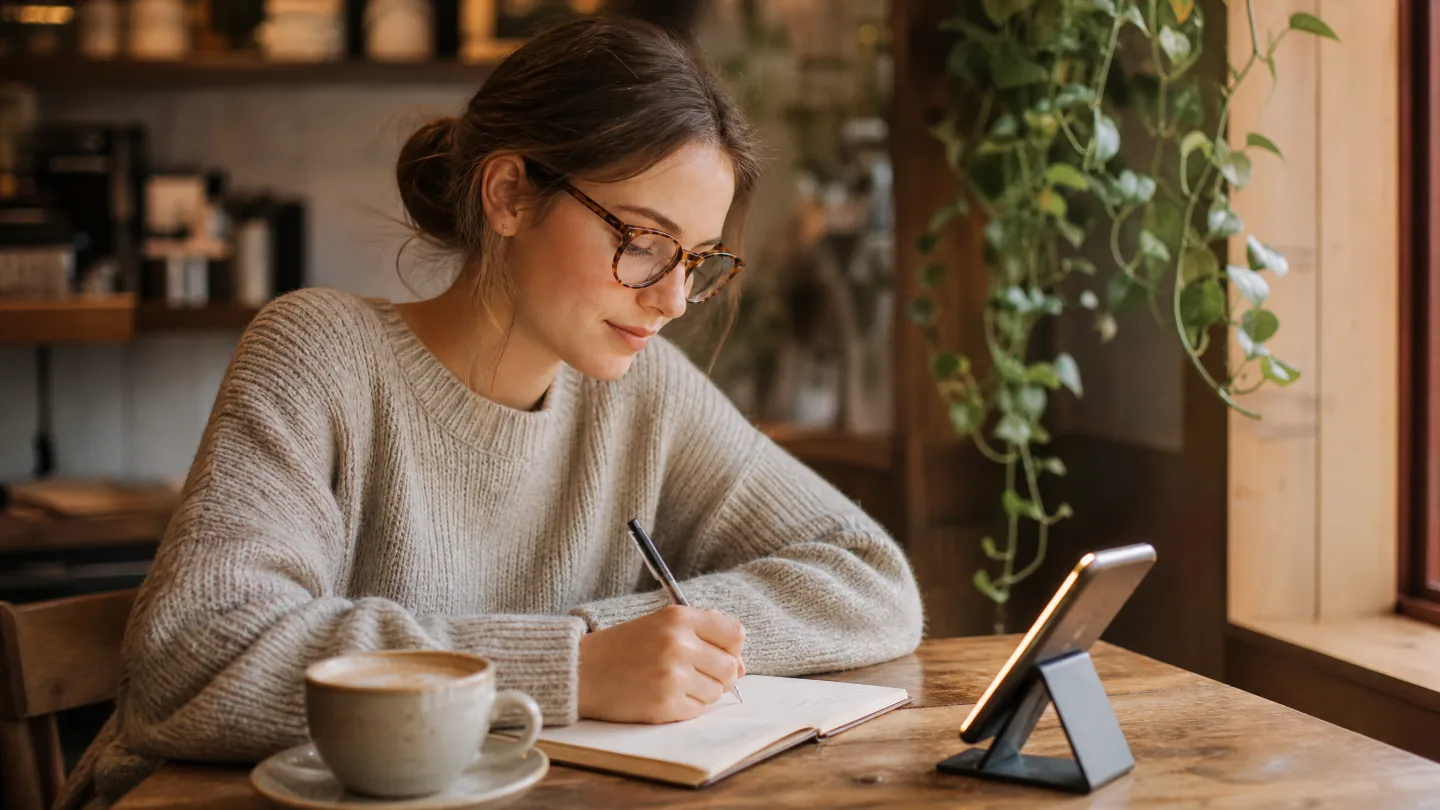
Four things cause most retakes
Before you read any single guide, check these. Nearly every take that has to be redone traces back to one of them.
The script is still written for the eye
Written prose fights the mouth. Break long sentences, drop the connective words nobody says out loud, and split at the point where you would breathe. Read the result aloud once; wherever you stumble is an edit, not a rehearsal note.
The type is too small
The bar is not "I can read it", it is "I can read it without focusing". The first makes your eyes tighten on camera and the audience sees it. Go a size larger than feels sensible.
You are sitting too close
The nearer you are, the wider the angle your eyes travel across the screen. Step back and raise the font instead: the same words, far less visible eye movement.
You are recording in one long take
Record two or three minutes at a time. Redoing a section costs a section. Redoing a twelve-minute take costs an afternoon.
Before your first take
How long does the first setup take?
Rewriting the script is the bulk of it, usually around ten minutes. Font size, margins, and scroll mode are remembered afterwards, so later sessions are just framing and a thirty-second test take.
How many words is a minute of speech?
Roughly 120 to 180 words in English at conversational pace. The reliable answer is your own rate: time yourself reading a passage, then use the speaking time calculator with that number.
Will viewers be able to tell I am reading?
It depends on the gap between prompt and lens, and on how far you sit from the screen. Speed and eye contact works through the geometry with specific settings.
Do I need to buy a stand?
Anything that holds the device steady at eye height will do. Stability and height are what matter; the object does not.
What good positioning looks like
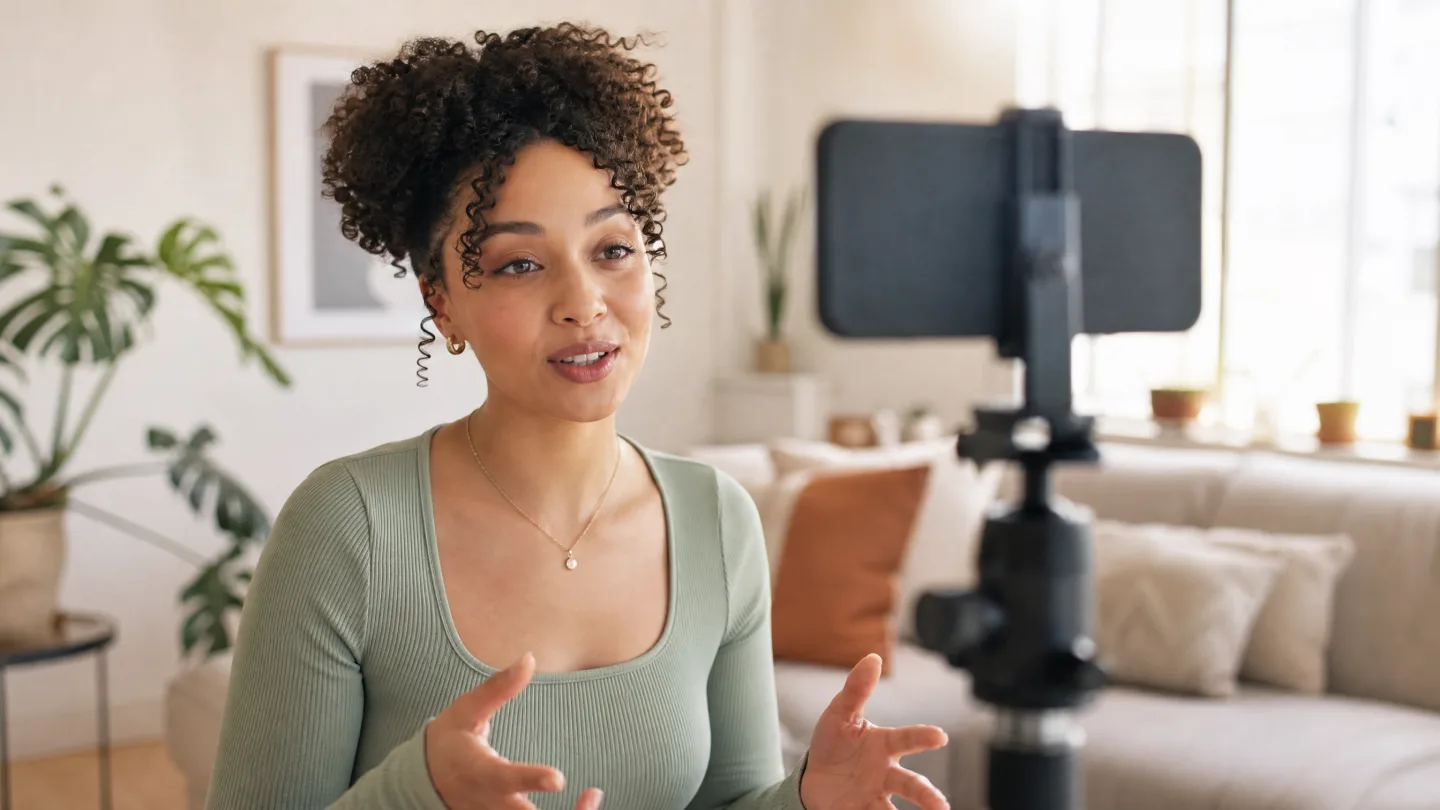
Reading order
New to prompting: start with how to use a teleprompter. Recording soon: go to reading a script while recording. Diagnosing a specific problem: jump straight to speed and eye contact.
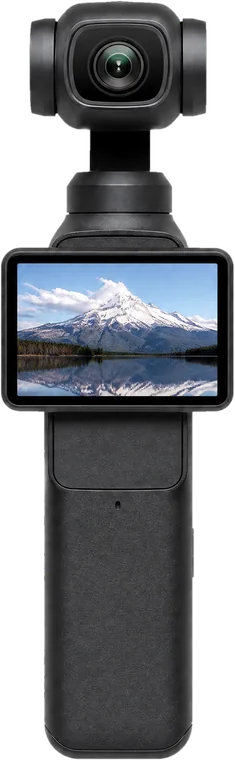
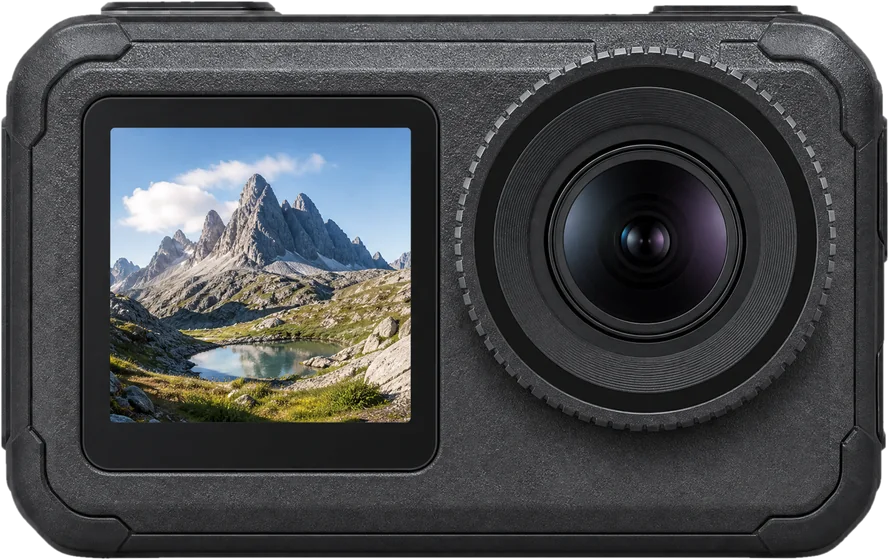
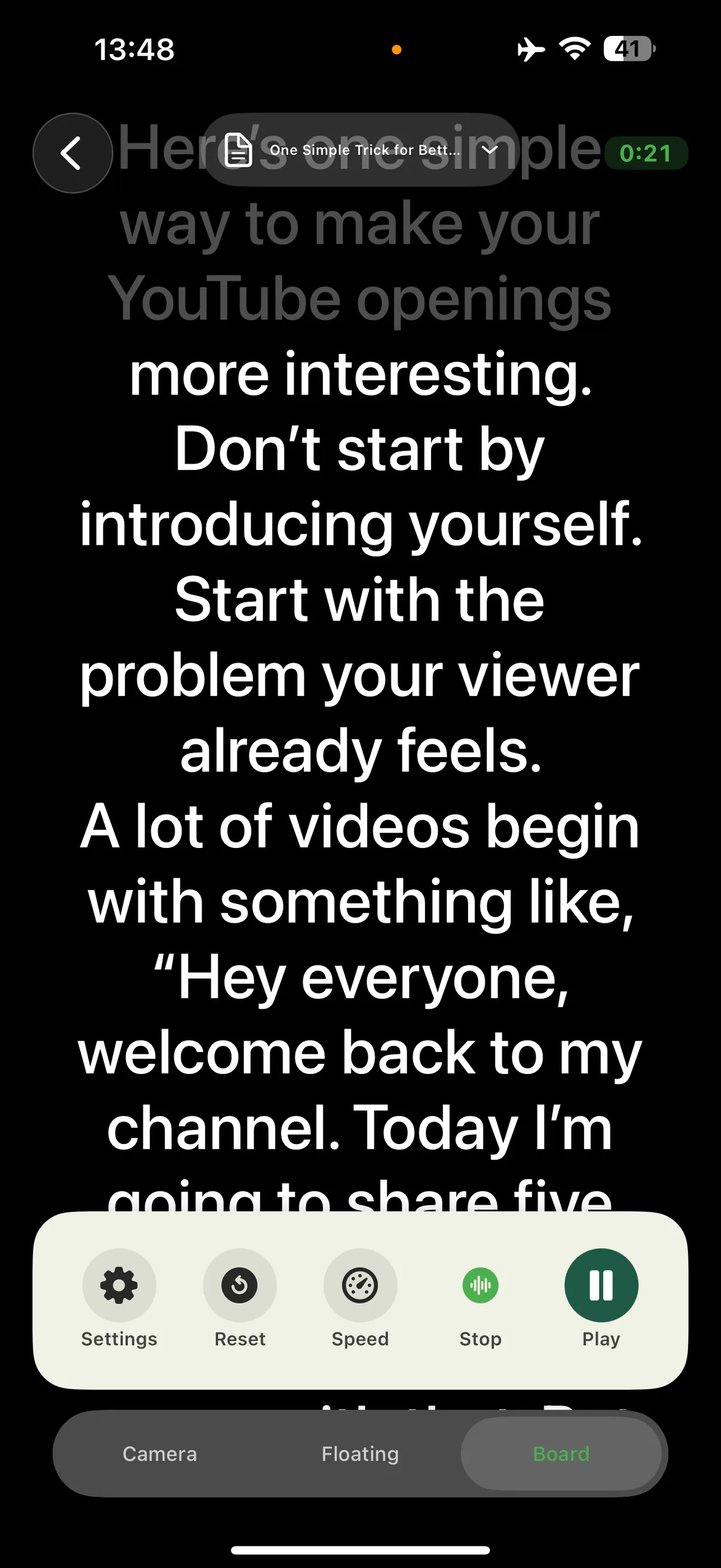

Record your next video with AI Teleprompter
Start with a 3-day free trial on the App Store. The script follows your voice, and the prompt never enters the video.