Compare
Teleprompter vs autocue: same tool, two names
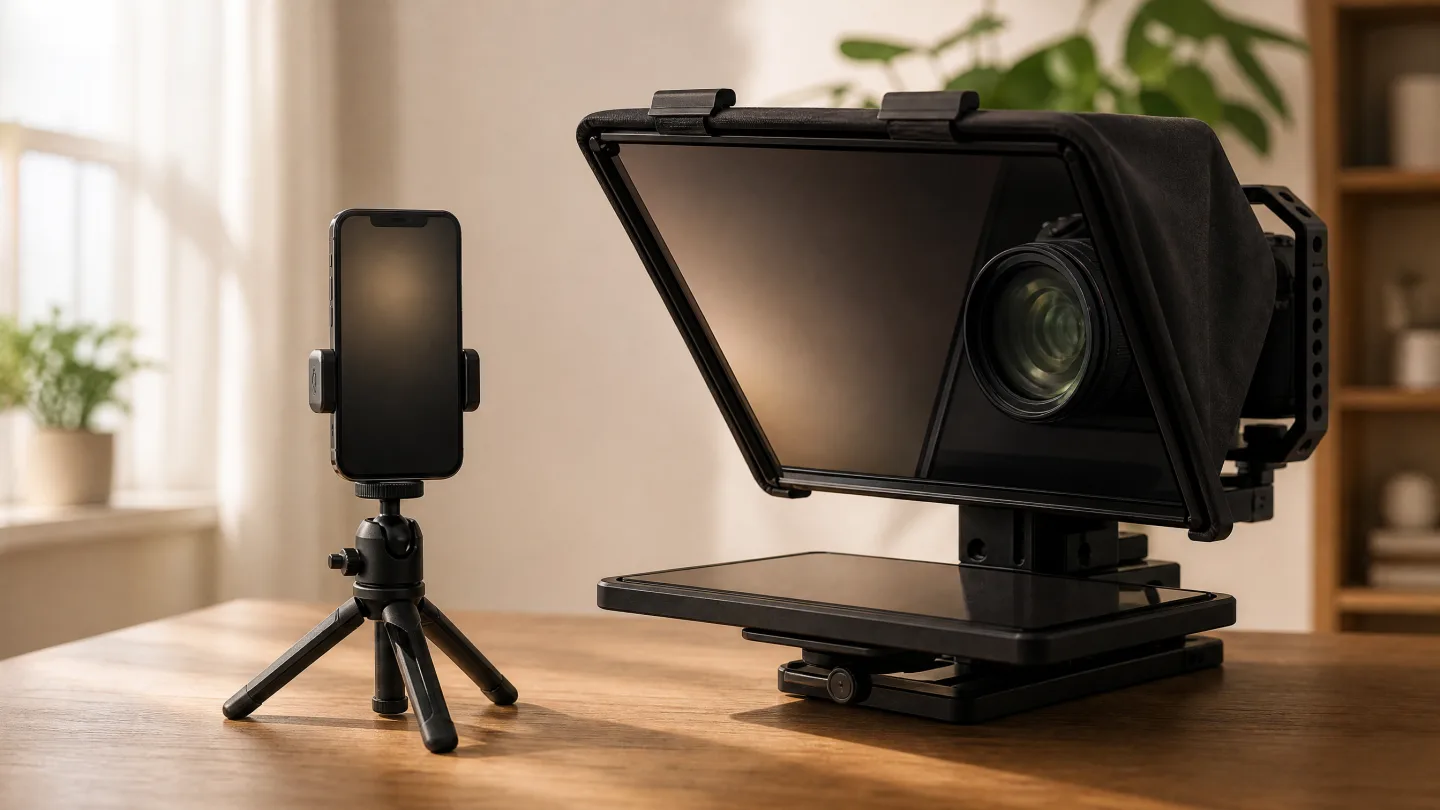
If you searched for the difference between a teleprompter and an autocue, the honest answer is that there is none. They are two regional names for the same device: a scrolling script a speaker reads while looking toward the audience or camera. What actually matters is choosing between studio hardware and a phone app.
Where the two words came from
TelePrompTer was the American company that put the device on television sets in the 1950s. Autocue was the British company doing the same job on the BBC. Both names became generic trademarks, the way Hoover means vacuum cleaner in the UK. Americans say teleprompter; Britons and Australians usually say autocue.
Search data reflects exactly that split: autocue dominates UK queries, teleprompter dominates US ones, and both describe identical hardware and software. If a page claims the two devices work differently, it is inventing a distinction that does not exist.
The comparison that actually matters
Forget the vocabulary debate. The real choice is between a studio rig and the phone you already own.
| Studio autocue hardware | Phone teleprompter app | |
|---|---|---|
| What it is | Beam-splitter glass and monitor mounted on a camera | An app that scrolls your script on the phone screen |
| Cost | Hundreds to thousands for the rig | Free download and a 3-day trial, then a plan or one-time purchase |
| Setup | Mounted, aligned, often operated by a second person | Open the app, import the script, record |
| Eye line | Directly through the lens | Beside or over the preview, very close to the lens |
| Best for | Broadcast studios, multi-camera productions | Courses, demos, YouTube, social, presentations |
When a phone app is enough
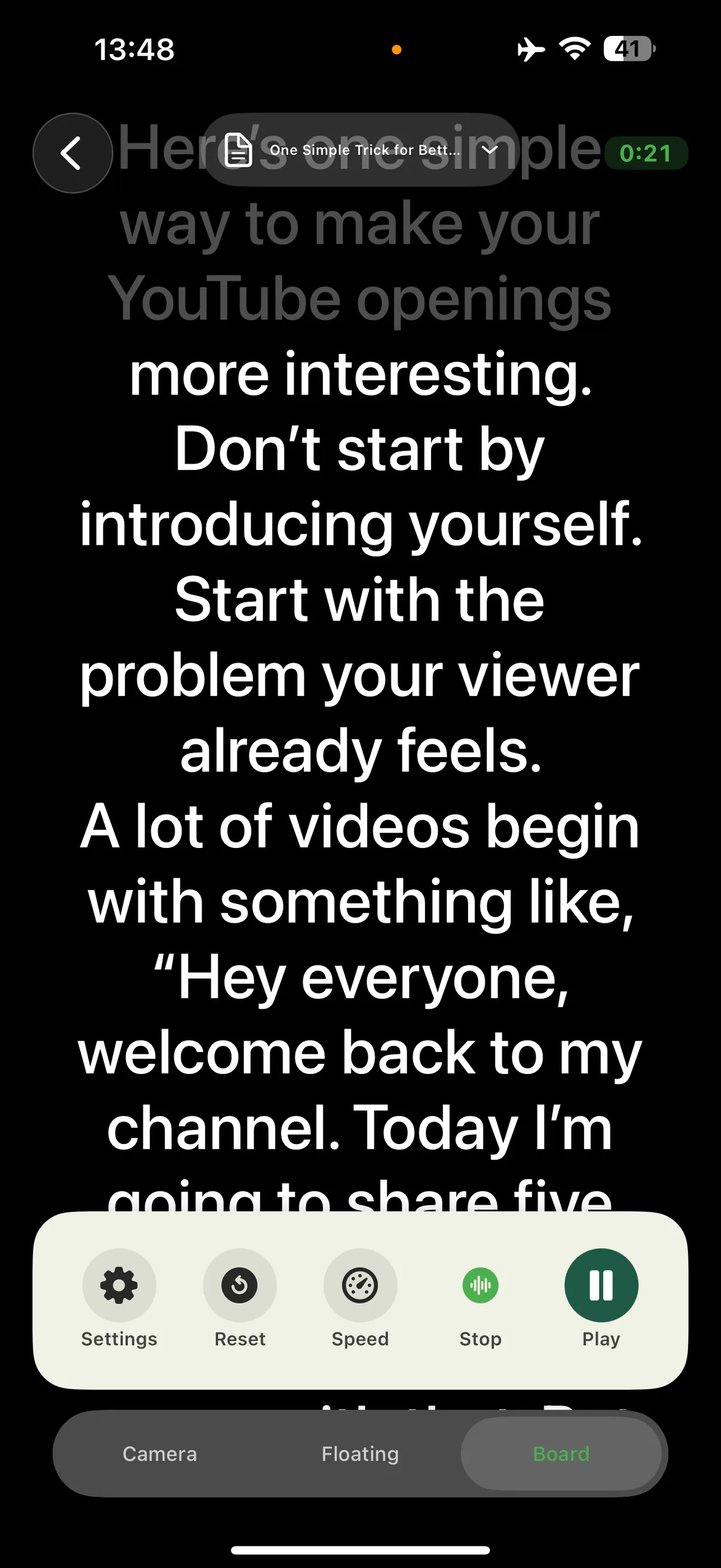
If you record yourself speaking for courses, marketing, YouTube, or internal updates, a phone app covers the job: the script sits close enough to the lens that eye movement is invisible at normal framing, and modern apps scroll with your voice instead of a fixed clock.
AI Teleprompter adds the recording itself: camera, prompt, and export in one app, with poster pages for your material and a camera bubble for presence. Voice Sync handles the pacing that used to require a human autocue operator.
When hardware still earns its cost
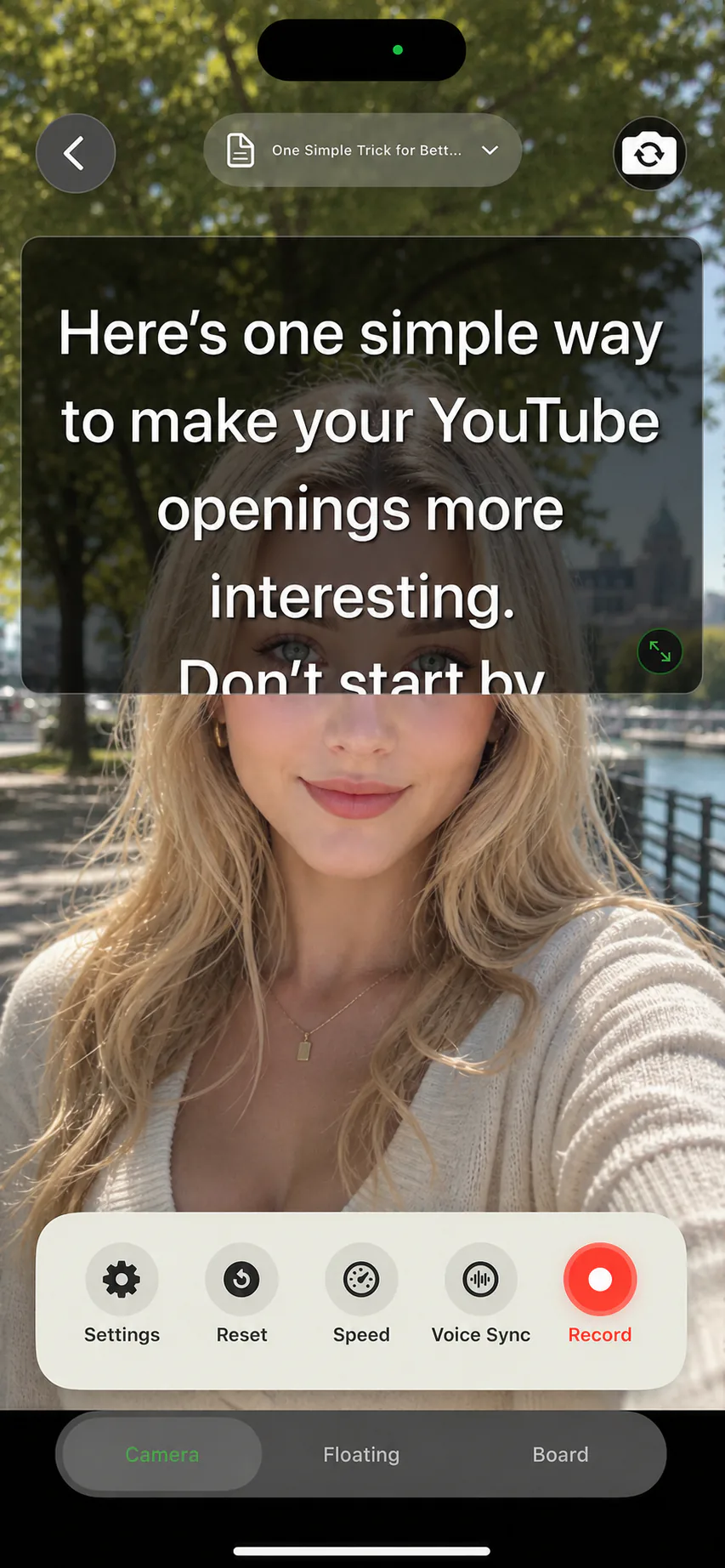
Multi-camera studios, long broadcast reads, and productions with a dedicated operator still justify glass rigs: the eye line goes through the lens, and a second person can pace the scroll. If you already own a reflective rig, AI Teleprompter includes a mirror mode so its text reads correctly through the glass.
Everyone else should start with the phone. Read how to use a teleprompter for setup basics, and keep the hardware budget for lights and microphones, which viewers notice far more.
Teleprompter vs autocue FAQ
Is an autocue different from a teleprompter?
No. They are regional names for the same device. Autocue is the common term in the UK and Australia, teleprompter in the US, both originally company names that became generic.
Why do Britons say autocue?
Autocue was the British manufacturer that equipped the BBC from the 1950s. The brand name became the everyday word in Britain, exactly like TelePrompTer did in America.
Can a phone replace an autocue?
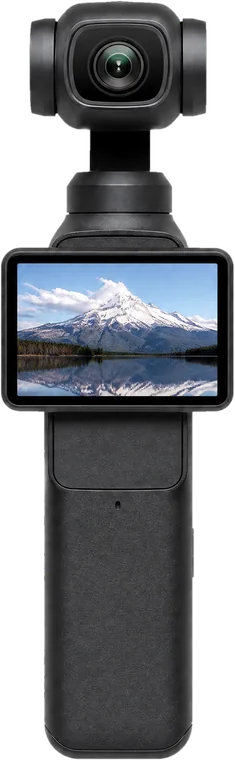
For solo creators recording courses, demos, YouTube, and social video, yes: the script scrolls near the lens, follows your voice, and records the take in the same device. Broadcast studios with operators still benefit from glass rigs.
Does AI Teleprompter work with autocue hardware?
Yes. Mirror mode flips the script so it reads correctly when reflected through beam-splitter glass on a traditional rig.
Record your next video with AI Teleprompter
Start with a 3-day free trial on the App Store. The script follows your voice, and the prompt never enters the video.